

Are Your Wants or Your Needs Driving Your Property Search?
Anyone buying a home knows the difference between a want and a need. That is not the hard part.
The hard part is seeing your own needs clearly. The deeper ones, the things that quietly decide whether a home works for you, are easy to miss. And a strong want has a way of sitting right in front of them, so you do not notice what is absent until you are living there.
I see this often, and rarely because someone lacks insight. Usually the opposite. Clear, capable people who know their own minds, and who still find their real needs genuinely hard to read from the inside. That is not a failing. It is simply how close we all stand to our own lives. Let me show you what I mean, with a story that has stayed with me.
The need that hides behind a want
The needs that catch people out are never the practical ones. Bedrooms, living spaces, room for the people you love. Those are easy to name, and easy to hold onto.
It is the deeper needs that slip past. Natural light, and what it does to a room and a mood. A feeling of spaciousness, the sense of being able to breathe. Spaces that bring people together, and quieter ones to disappear into when you need them. A flow that makes daily life feel easy, rather than a run of small frictions. A connection to something green, a garden, or a single tree outside a window. Even a sense of sanctuary, the feeling of being held the moment you close the front door. These are the things that decide how a home feels, rather than how it functions. They are harder to put into words, so they rarely make it onto a list at all.
And when a strong preference is in play, a location, a style, a postcode, those quieter needs are easily overruled. Not deliberately. You simply follow the louder signal, and the need you never quite named gets left behind.
That is the pattern worth watching. Not want against need in the abstract, which is obvious enough, but a loud want quietly outvoting a real need, without you ever deciding to let it.
The home she had already crossed off
I helped a woman buy a home last year. She came to me with a very clear list of what she wanted. And she had her heart set on the inner city.
But what I could see, underneath her list, was what she actually needed. Space. A real feeling of spaciousness. Light, lots of natural light. And a particular flow through the home.
So we looked where she wanted to look. Property after property in the inner city. Narrow streets. Homes side by side. Often two storeys. Very little light. No real flow. And apart from the odd family room, not much space to breathe.
There was another home I had seen, just beside the area she was searching. In a pocket she had already crossed off her list.
After all those inner city inspections, we went back to it.
That is the one she bought.
And she is so happy in it. Because it holds everything I knew she needed. To support her. To support her children. To support the way they actually live.
The psychology underneath it
This is really the psychology of buying. A home does not just house you. It meets needs that sit well below the surface. Light that lifts your mood. Space that lets you breathe. A flow that makes an ordinary day feel easy rather than cramped. These are not luxuries. They are part of how a person functions, and rests, and feels like themselves.
In her case, the want and the need were pulling in opposite directions. The inner city was the want. Spaciousness, light and flow were the needs. Only one of them was ever going to support her once the front door closed behind her each evening.
This is why the weight of a decision like this is so often more than it appears. You are not choosing a set of rooms. You are choosing the place that will hold your life, and your family's, for years.
How to find what you actually need
You can do a good deal of this yourself, before you look at another property.
Take your list and go through it slowly. For each thing on it, ask two questions. What need is this really serving? And is it aligned with what I actually value? It is a simple discipline, but under an honest eye a surprising amount falls away, and what remains is far truer.
Then look past the practical. Not just how many rooms, but what genuinely supports you. What lifts you. What settles you. What lets you feel like yourself at the end of a demanding day. Room for the people you love to gather, and somewhere to withdraw to when the house is full. Light in the parts of the home where you spend your mornings. A connection to the outside. A home with enough give to flex as your life changes. These are needs too, and they tend to matter more than a list allows.
And watch for the places a want is standing in front of a need. A postcode you feel you should want. A look you think you are meant to have. Naming that quietly, without judgement, is often where the whole search comes into focus.
A home built around the need
The home that truly serves you is almost always built around the need, not the want that first caught your attention.
That woman almost missed her home, because it sat just outside where she thought she wanted to be. What made it right was never the location she had in mind. It was the light, the space, the flow, the things that quietly support her and her children, every single day.
So before you commit to a want, take the time to understand the need beneath it. It is some of the most valuable work there is, and it is the difference between a house that looks right on paper and a home that holds you well in real life.
If you would like a steady, honest hand in working out what a home truly needs to hold for you and your family, anywhere across Melbourne or the Mornington Peninsula, I would love to help. Whether you choose to engage us or not, getting clear on your needs before you buy is always worth it.
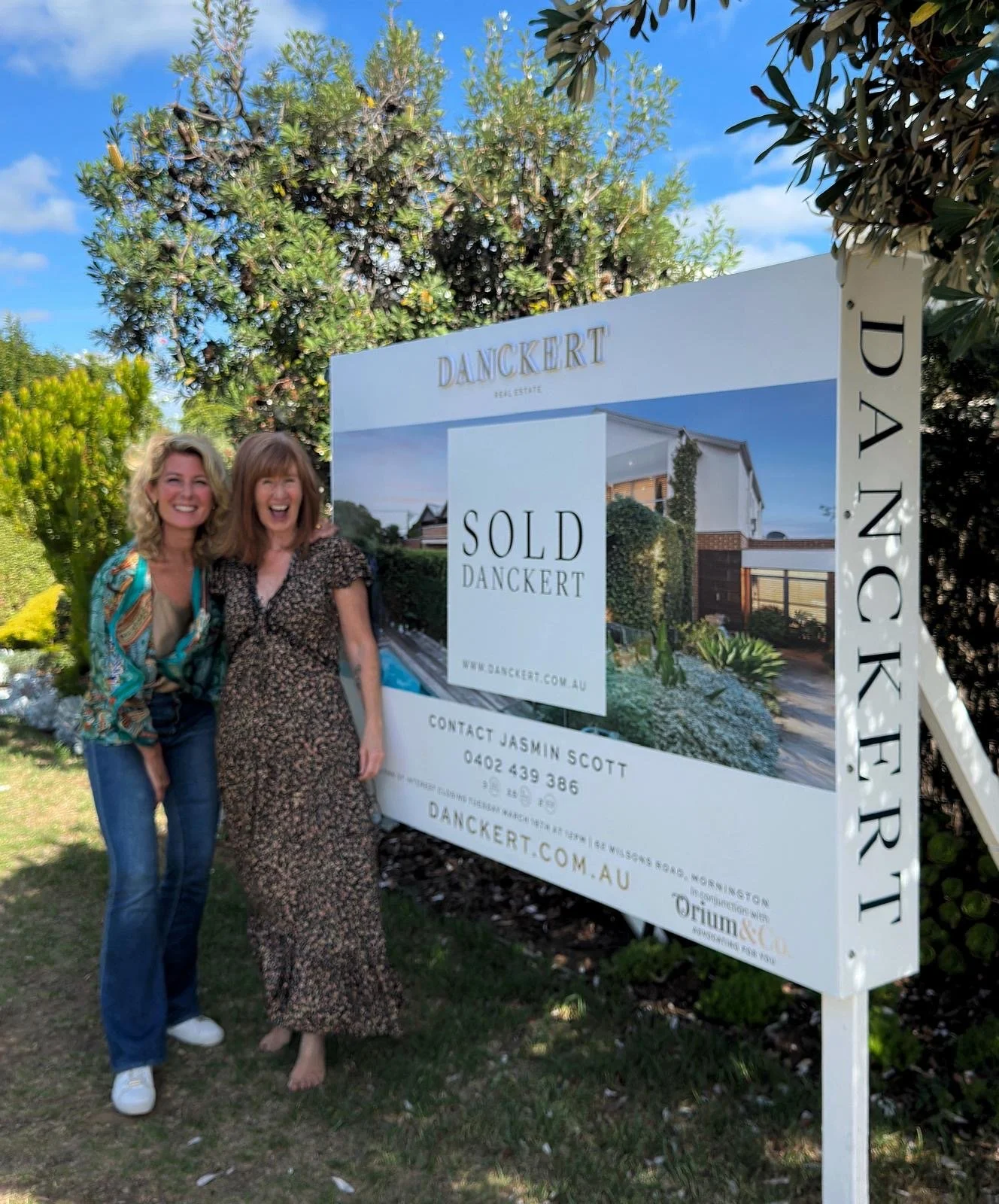
Buying on her Own
I rang a client recently. The home she'd had her heart set on, on the Mornington Peninsula, was hers. I could hear it in her voice before she'd really said anything. And then she said something I've heard, in different forms, more times than you'd imagine: this is really big for me, because it's the first time I've bought on my own.
She's an adult woman with children. And what she was describing, the joy of it, but also the sheer enormity, is far more common than people realise.
That moment is never lost on me.
Over the years, a good number of the people we've sat alongside have been women buying or selling on their own. Women buying alone for the first time. Women starting again after a separation or a divorce, learning to make decisions that two people used to make together. Women selling the family home as widows, carrying grief and paperwork in the same week.
When I look back at who we've worked with so far, almost half, close to forty-five per cent, have been single women. That figure has stayed with me. It's given me such deep insight into how significant this decision is, the importance of getting these things right, and what truly matters when you're the one making the call, and the house will be yours alone.
What follows is true for every buyer. But I'm writing it for women in particular, because so often you are doing this with no one to hand the hard parts to.
Have the contract reviewed properly
Here is something that surprises people more often than it should: the contract is not just paperwork to sign at the end. It's a document to be read closely, by someone who knows what they're reading, before you're emotionally committed to the place.
A client was getting ready to make an offer on a property recently. Before she went anywhere near a price, the contract was reviewed, and in the reviewing, something surfaced. Something she would never have known to look for, and something that genuinely mattered to the decision in front of her. She hadn't realised a contract review was even a step. To her, you found the house and you bought the house.
But that one review changed what we needed to check next. It pointed us toward a closer inspection of the property, a question we wouldn't have thought to ask if the contract hadn't been read with care.
A conveyancer or solicitor reviewing the contract early isn't an optional extra. It's one of the quiet, unglamorous things that protects you from a problem you can't yet see.
Get a building inspection, and choose your builder carefully
The second thing I'd say to any woman buying on her own is this: have a building inspection done, and have it done first.
Not all building inspectors are equal. The one you want is the one with a reputation for being thorough, genuinely detailed, the kind who looks where others glance. Because the value of that report isn't only in finding the obvious. It's in understanding what work a home might need, and when. What's urgent. What can wait a year. What's a decade away.
That timeline matters more than people realise, and not just for peace of mind. It feeds directly into value. If you know what the property will ask of you in the short, medium and long term, you know what it's truly worth to you, and how far you can, and should, go on price.
When you're buying on your own, there's no one to talk it through with at the end of the day. A thorough builder gives you something solid to stand on. You're not guessing. You know exactly what you're stepping into.
Understand what value actually is
This is the one I'd underline twice, because value is genuinely hard to read on your own.
When a property is advertised with a price range, it's worth pausing to ask what that range is really telling you. Is it a reflection of true market value? Is it what the owners are hoping to realise? Or is it a number set in a slightly different market, a market that has since moved, leaving the range sitting where things were, not where they are now?
These are three very different things, and the difference can be tens of thousands of dollars.
This isn't a reflection on anyone's integrity. Markets shift, and sometimes they shift faster than a quoted range can keep up with. But it does mean the advertised range cannot be the thing you anchor to. Understanding value independently of that range, what the property is genuinely worth today, with everything you now know about it, is one of the most important pieces of work there is.
It's also one of the hardest things to do on your own, because value isn't a feeling. It's worked out, carefully, from comparable sales and condition and timing and a clear head. When emotion is high, and buying a home on your own is nothing if not emotional, a steady, objective read on value is what keeps you from paying for someone else's hope.
On her own, but not alone
I think often about the women we've walked beside. The ones doing it alone for the first time. The ones rebuilding after a marriage ended. The ones letting go of a home full of decades.
What they've shown me is that buying on your own doesn't mean doing it unsupported. The decisions are still yours, they should be. But the weight of them doesn't have to sit on you alone. A contract read properly. A builder you can trust. A clear, honest sense of what a place is really worth. These are the things that turn a daunting decision into a grounded one.
And when it all comes together, when she's settled into a home that's truly hers, the choice hers but never carried alone, it's a joy to be a part of. I don't think it ever gets old.
If you're a woman thinking about buying on your own, anywhere across Melbourne or the Mornington Peninsula, I'd love for you to know that it's entirely possible to do it well, and to do it without carrying every part of it yourself.

Moving Away, or Moving Toward? What I've Learned About Buying on Your Own
There's a particular kind of decision people make when they're tired.
Not careless. Not rushed, exactly. Just made from a place of wanting something to be over. Wanting to be out, settled, somewhere new, somewhere that isn't here.
I've watched it happen more than once. And I've come to believe it's one of the most important things to understand about buying a home on your own, especially if it's the first time you've done it in a long while.
Because the question that matters most isn't where do I want to live?
It's am I moving away from something, or moving toward something?
Two women, the same quiet mistake
I've worked with a number of women who bought on their own after a significant chapter of life had ended. Two in particular have stayed with me, because their stories rhymed.
Both were capable, intelligent women. Both bought homes that, on paper, made complete sense. And both, within a couple of years, came back to us wanting to sell and start again.
When we sat down and really looked at what had happened, the same thing surfaced in both cases.
They hadn't chosen their homes because they knew, deep down, this is right for me. They'd chosen them because of a quiet urgency to be somewhere else. Away from a suburb that held too much. Away from a chapter that had closed. Away from a life that no longer fit.
And that urgency to move away is a powerful thing. It feels like progress. It feels like taking control. But it isn't the same as moving toward.
Because when the pull is to get away, the only thing you're truly clear on is what you don't want. And a home chosen on that basis can tick every box and still feel wrong, because the boxes were never really the point.
The difference you can't see at the time
Here's what neither of them could have known in the moment.
The new suburb didn't hold community for them. There were no roots there, no sense of belonging waiting to grow. The lifestyle they thought they were buying into didn't quite materialise, because it had been imagined in contrast to the old life, rather than designed around the new one.
It looked like a fresh start. But underneath, it was still a response to what had happened.
And a response, however understandable, rarely makes a home.
When they came to us the second time, everything was different, not because they'd become different people, but because of where they were deciding from.
The first time, the choice came out of how they were feeling, the need to be out, to be settled, to put distance between themselves and a hard chapter. And feelings like that, however real, are temporary. They pass. But the home stays.
The second time, the urgency had quietened. They were calm enough to look past the next few months and actually picture a life. And from that place, the questions were completely different. Not what am I trying to get away from, but what am I moving toward? What kind of life, and where does it actually happen? Where's the community? In five years, when this season has faded, will this still be the right home, or just the one that felt safe when I needed somewhere to land?
Those aren't questions you can answer in a rush. But when they're answered from a settled place, the home tends to hold.
Why this happens and why it's no one's fault
I want to be careful here, because there's no failure in any of this.
When you're moving through a major transition, the end of a relationship, a loss, a sudden change in circumstances, long-term thinking is genuinely hard. You're processing grief, adjusting to a new financial reality, rebuilding your sense of who you are. The mind in that state wants relief, not strategy. It wants to feel safe now, not to optimise for a future you can barely picture.
So people buy for immediate relief rather than long-term clarity. Of course they do.
The difficulty is that property is unusually unforgiving of decisions made this way. It's expensive to undo. And the cost isn't only financial, it's the exhaustion of moving again, the disappointment of a fresh start that didn't quite deliver, the quiet erosion of confidence that comes from feeling like you got something this important wrong.
This is part of what can make buying on your own feel so daunting. Not because you're not capable, you are, but because there's no one beside you to slow the decision down. No one to ask the question you're too tired to ask yourself.
Buying alone doesn't mean deciding alone
If there's one thing I'd want a woman buying on her own to know, it's this.
Buying alone is not lesser. For many of the women I've worked with, it's been one of the most quietly empowering things they've ever done, choosing a home that is fully, unmistakably theirs. There's real strength in it.
But it does help to have someone beside you who isn't caught in the same emotional current, someone who can gently separate the away from and the toward. Someone who can say: I hear that you want out of where you are. Let's also get clear on what you want to move into.
The place the decision comes from
Here's the thing I've come to believe, after watching this play out more than once.
The home you end up happy in usually isn't the one chosen in the rush to be somewhere else. It's the one chosen later, or more slowly, once the dust has settled and the future has come back into view.
The difference isn't the budget, or the suburb, or the timing. It's the place the decision comes from. A home chosen from a temporary feeling, the need to move away, rarely serves the long-term life. A home chosen calmly, with a real sense of what you're building, almost always does.
That's the whole reason buying alone shouldn't mean deciding alone. Not because you can't do it, but because when you're in the thick of a big change, it's hard to see past it on your own. Having someone beside you who isn't carried by the same current, someone who can hold the long view while you hold everything else, is often what makes the difference between a home you move away into, and a home you move toward.
Because the best property decisions aren't made in a hurry to escape what's behind you.
They're made calmly, with an eye on what's ahead.
And a home chosen from that place becomes so much more than somewhere to live.
It becomes the ground you build the next chapter on.

Helping Ageing Parents Through Selling a Home
There are some experiences in life that give you a far deeper understanding of what people are truly navigating beneath the surface….. or sometimes, behind closed doors.
Helping my parents sell their holiday house in Flinders and prepare for settlement has been one of them.
I think before this, I could absolutely empathise with older people going through change. I could understand intellectually and emotionally that it was stressful, overwhelming, and significant.
But actually walking alongside my parents through this process has given me a completely different understanding, and it has deepened so much of the way I think about the work we do and how we help at Orium & Co..
I’ve seen the exhaustion, the systems they’ve had to navigate, the technology, the emotional attachment, the endless logistics, and the pressure.
You begin to feel the cumulative weight of what these transitions ask of older people later in life.
My parents had owned this home for almost twenty years.
And before this sale, they hadn’t sold a property in twenty-seven years.
Which meant so much of this process felt completely foreign to them.
And I think that’s part of what makes transitions like this so much heavier later in life.
Because what becomes so clear when you walk closely beside someone through a time like this is that these transitions are rarely just practical. They touch identity, memory, loss, grief, decision fatigue, and the strain of navigating a world that no longer feels as simple or familiar as it once did.
And then you add to that the weight of someone who has spent much of their life resisting or struggling with change.
And all of it together can become incredibly heavy.
You can feel the toll it takes, the strain and the depletion.
What Selling a Home Later in Life Really Looks Like
What this experience really highlighted for me was how much many of us simply take for granted because we’ve grown up navigating the digital world.
The digital signatures.
The apps.
The endless emails.
The portals.
The verification processes.
The forms.
For many of us, these things are second nature because we’ve adapted alongside technology as it has evolved.
But for older people who haven’t bought or sold property in decades, so much of it can feel incredibly unfamiliar and overwhelming.
I found myself constantly stepping in beside them.
Helping interpret processes.
Explaining what things meant.
Advocating with professionals.
Asking people to slow down.
Requesting more flexibility.
Helping navigate technology.
Making calls.
Coordinating logistics.
Holding emotional space.
Much of it felt less like a transaction and more like providing calm, steady advocacy and support through a deeply significant life transition, which is something that sits at the heart of our approach whether we are helping people buy or sell.
And what became incredibly clear was this:
Often what older people need most is a calm voice, patience to gently repeat things, reassurance, quiet counsel and the willingness to really step into their shoes and understand what they need.
The Emotional Labour of Downsizing
Part of this experience has also been watching my mum’s deep desire to give things away.
Not sell them.
Give them.
And honouring that desire has, in and of itself, been an enormous emotional and logistical task.
Furniture. Beds. Couches. Tables. Chairs. Glasses. Crockery. Fridges. Art.
A lifetime of accumulated household items.
There was something significant for Mum in wanting these things to serve those in need.
To go to families who needed them.
To women rebuilding after hardship.
To people starting over.
But what I also saw was how exhausting that became because although giving things away sounds simple in theory.
In reality, it involved researching organisations, coordinating collections, communicating with multiple people, sorting through belongings, moving items and so much more.
What I really understand and see is that downsizing or selling later in life is not simply physical labour.
It is emotional labour. Invisible labour. The kind that quietly accumulates.
And the kind that can leave people emotionally depleted before they’ve even packed a box.
Supporting Ageing Parents Through Change
And yet so much of the modern real estate world still operates on a much faster and less human timeline.
Automated systems.
Pressure.
Urgency.
But when you really sit beside ageing parents or people through a transition like this, you begin to realise how much kindness matters.
How much patience matters.
And how transformative it can be when someone helps reduce not just the physical load, but the mental and emotional one too.
And yes, sometimes support looks like lifting boxes.
But it looks like:
making the phone calls they no longer have energy to make
sitting beside them while documents are signed
advocating for flexibility from professionals
helping them make decisions when they feel overwhelmed
reminding them they don’t have to carry everything alone
Because when people feel genuinely supported, something shifts.
The process becomes less about simply surviving change and more about feeling held through it.
And maybe that’s what this experience has shown me most deeply.
That helping ageing parents through significant change becomes far more than simply helping manage logistics.
In many ways, it becomes a caretaker role.
Not in the traditional sense.
But in the emotional, practical, and deeply human sense of helping someone navigate a world, a process, and a period of life that suddenly feels overwhelming, unfamiliar, and heavy.
It requires patience.
Advocacy.
Calmness.
Reassurance.
Practical support.
And often, trusted guidance through decisions and systems that feel foreign to them.
And perhaps that’s what real support actually is.
Helping people feel less alone while they navigate one of the biggest transitions of their lives.

The Property Market Isn’t Clear. Your Decisions Still Can Be.
Right now, many people are feeling uncertain about the Melbourne property market.
Auction results are mixed. Some homes are sitting on the market longer than expected. Others are passing in. Buyers are unsure what represents value in the current Melbourne property market. Vendors are unsure where the value of their property truly sits. And everywhere you turn, there seems to be a different opinion about what the property market is doing and what people “should” do next.
For many people, particularly those navigating a significant life transition or considering a major property move, it can feel incredibly overwhelming.
What is our property really worth right now?
How do we know what represents value in this market?
Should we hold or move forward?
Could this actually be an opportunity?
Are we seeing things clearly?
Are we making the right decision for our future?
These are the conversations we are having every week with people looking to buy and/or sell across Melbourne and the Mornington Peninsula..
And perhaps the most important thing to understand right now is this:
The property market may not feel clear. That does not mean your decisions cannot be.
Because clarity rarely comes from the market suddenly becoming perfectly predictable.
True clarity comes from stepping back and looking at the bigger picture.
That absolutely includes understanding the property market.. pricing, value, timing, supply, buyer behaviour and opportunity.
But it also means understanding all the other aspects of life that influence whether a property decision truly makes sense.
Your stage of life.
Your family dynamics.
Your financial position outside of property.
Your future plans.
Your lifestyle.
Your capacity.
Your priorities.
What you value most.
And those are the conversations that matter most right now.
The Melbourne Property Market Has Shifted
What we are seeing right now is a Melbourne property market that has shifted significantly since the beginning of the year.
Particularly over recent months, many buyers have become more hesitant and cautious. Some are struggling to get a clear read on property values. Others are sitting on the sidelines waiting to feel more confident about where the market is heading before making a move.
As a result, buyer demand has softened in many parts of the market.
Not necessarily because people do not want to buy or move forward with life plans, but because uncertainty has created hesitation.
Buyers are more analytical. More price sensitive. More considered in their decision making.
The homes that are selling are often not attracting large numbers of emotionally charged buyers competing aggressively against each other. In many cases, there may be one genuine buyer.
And once that buyer engages, the process becomes far more about carefully working with them to bring a deal together.
There is far more strategy, communication, negotiation and emotional management involved than there was a few years ago when momentum alone was driving outcomes.
Pricing strategy is critical in today’s property market.
If a home is launched with inflated expectations, it can create hesitation early, reduce engagement, and ultimately impact the final result if the property sits on the market too long.
The market is requiring greater alignment between vendor expectations, buyer perception and actual property value.
That does not mean homes are not selling. They are.
But the fundamentals matter far more.
We explored this changing dynamic further in Some Homes Are Selling. Others Aren’t. Here’s What Most People Are Missing.
Property Clarity Requires a Bigger Perspective
One of the biggest misconceptions in uncertain property markets is that clarity will suddenly arrive once the market becomes predictable again.
But property markets are rarely perfectly predictable.
Real clarity comes from taking a bird’s-eye view of everything.
Not just where prices are sitting.
Not just whether auction clearance rates are rising or falling.
But understanding what actually makes sense when all aspects of life are taken into account.
For some people, children are growing and they are beginning to outgrow their current home.
For others, children are leaving home and the property no longer supports the lifestyle they want moving forward.
Some people may be better off simplifying, freeing up capital and creating greater flexibility in their lives.
Others may actually benefit from stretching into a higher price bracket while conditions are softer, particularly when upgrading markets have seen larger adjustments in dollar terms.
In many ways, this can be the kind of property market where upgrading creates opportunity.
We recently met with a young couple who purchased their home around five years ago. Based on comparable sales in recent months, the value of their home is likely below what they originally paid.
On the surface, that can feel discouraging.
But when we stepped back and looked at the bigger picture, the conversation became far more nuanced.
If the market above them has softened more significantly, could this actually be the right time to upgrade into the type of long-term family home they ultimately want?
And then the deeper layers emerged.
Private school fees versus public schooling.
Borrowing capacity.
Mortgage serviceability.
Lifestyle priorities.
School zones.
Future family plans.
What level of financial pressure feels sustainable.
What kind of life they are truly trying to create.
These are the kinds of conversations people need help navigating right now.
Not simply:
“Is the property market up or down?”
But:
“What actually makes sense when we take everything into account?”
Because clarity is not simply about property.
It is about perspective.
The Cost of Staying Stuck in the Property Market
One of the most important questions people can ask themselves in this market is not simply:
“What happens if we move?”
But also:
“What happens if we don’t?”
What is the emotional cost of staying in the wrong home for another three years?
What is the lifestyle cost of delaying a decision that deep down already feels necessary?
What opportunities may exist now that may not exist later?
What is the cost of remaining stuck in uncertainty?
Sometimes waiting is the right decision.
Sometimes moving forward is.
But clarity comes from honestly exploring both paths rather than becoming paralysed by fear, noise or endless market prediction.
Because there is always a cost somewhere.
Why Property Guidance Matters More in Uncertain Markets
In stronger momentum-driven property markets, many decisions can feel easier because the market itself creates confidence.
In more balanced or uncertain conditions, the need for trusted property guidance becomes far more important.
Not guidance based on pressure.
Not inflated promises.
Not fear-based selling.
But thoughtful counsel.
Clear strategy around timing, pricing and positioning.
Helping vendors align expectations with reality early, rather than chasing a market that may no longer exist.
Helping buyers understand property value deeply enough to recognise genuine opportunity when it appears.
Helping people unpack the bigger picture of their lives, finances, goals and future plans so they can make decisions from a place of clarity rather than emotion.
Because ultimately, property decisions are rarely just financial.
They are deeply personal.
They affect how people live, how families function, how children grow up, how stress is experienced, and how people move into their next chapter.
Clarity Creates Confidence in Property Decisions
The truth is, property markets are rarely completely certain.
But life does not wait for perfect certainty.
Families grow.
Needs evolve.
Children change schools.
Relationships shift.
People outgrow homes.
People seek simpler lives.
People want a fresh start.
And often, the people who navigate these moments best are not the ones trying to perfectly predict every movement of the market.
They are the ones who become deeply clear about:
what matters,
what is sustainable,
what they value,
and what kind of future they are trying to create.
Because ultimately, property is not just about timing the market.
It is about aligning your property decisions with your life.
At Orium & Co, we believe the best property decisions come from understanding both the market and the broader context of people’s lives.

Seven Years Ago, I Chose This Home. I Had No Idea What It Would Become
Eleven days ago Damien and I got married.
Not in a venue.
Not somewhere styled for a moment.
But here, at home.
The same home I moved into almost seven years ago with my three boys, at a time when life felt uncertain, raw and full of change.
A few days before the wedding, one of my closest friends stood with me in the garden, helping bring everything together. She paused and said:
“You never would have imagined you’d be getting married here when you first moved in… would you?”
And she was right.
Because when I moved into this home, I was simply hoping to create a home for my boys and I,
a place where we would feel happy to be.
What That Really Meant at the Time
I had just come out of a separation.
And like many people in that space, I wasn’t thinking long-term or strategically. I was focused on what mattered most, right in front of me.
My boys.
I wanted:
A place where they would feel safe and settled
Enough space for them to grow
A home that felt calm
Somewhere we could all exhale
There were practical considerations too, being close to their schools, their friends, and their dad, but underneath all of it was something much simpler:
A feeling.
That this would be a place where we could begin again.
Where life could feel steady.
Where, despite everything that had changed, we would feel okay.
And when I look back now, that feeling didn’t come from nowhere.
It came from what the home offered:
Natural light that moved through the spaces throughout the day
A floorplan that felt easy and intuitive
A sense of spaciousness, both in the rooms and in how we could live within them
The ability to come together, and also to step away when needed
And a lush, established garden with beautiful spaces to sit, gather, or simply be outside
At the time, I couldn’t have articulated it like this.
But I could feel it.
There was a quiet knowing, a kind of sixth sense.
And that was enough.
Seven Years Later
Since the wedding, I’ve found myself reflecting on that decision.
Because what’s clear now is this:
This home didn’t just meet a moment.
It has supported us through years of change.
The boys have grown, and the home has given them space to do that
What began as a home for the four of us expanded as Damien and I built a life together
When he moved in, there was already room for both of us to work from home, with space for two offices
There has always been a natural balance between connection and quiet
The garden has become a place we return to again and again
And even now, it still gives us what it did in the beginning:
A sense of comfort.
A sense of ease.
A feeling that we can exhale when we walk through the door.
The Part You Can’t Always See at the Beginning
We didn’t choose this home thinking about milestones.
We chose it because it felt right.
Because it felt like somewhere we could land.
And what I’ve come to understand is that when a home genuinely supports who you are and what you need, it grows with you.
It adapts.
It evolves.
It creates space for things you couldn’t have planned.
And sometimes,
it becomes the setting for life’s most meaningful moments.
What This Has Taught Me About Choosing a Home
Through our work in buyer advocacy across Melbourne and the Mornington Peninsula, we see how often people feel pressured to decide quickly.
To focus on:
The market
The timing
The numbers
And while those things matter, they’re not the whole picture.
Because a home isn’t just a financial decision.
It’s a life decision.
It shapes your routines, your relationships, your work, your rest, and your next chapter.
And when you’re navigating a transition, whether that’s separation, downsizing, or stepping into a new phase of life altogether, the importance of getting that decision right becomes even greater.
The Power of Choosing Well
Looking back, I didn’t have a perfect plan.
But I had clarity on what mattered.
And that has allowed this home to:
Support my boys through their entire schooling journey, with my youngest now in Year 12
Adapt as our family evolved
Accommodate both life and business as Damien and I built it together
And ultimately become the place where we got married, surrounded by those closest to us
Not because we planned it that way.
But because the foundation was right.
A Different Way to Think About Property
In our work as buyer advocates in Melbourne, this is what we see every day.
When a home truly fits your life, it doesn’t just work for now, it continues to support you over time.
Not perfectly.
But in a way that allows you to grow into it.
To live in it fully.
To build your life within it.
If You’re Standing at the Beginning of Something New
If you’re navigating a change,
a separation, a shift, a new chapter,
It can be easy to focus on urgency.
But this is where it’s worth pausing to ask:
What do I need this home to give me?
How do I want to feel when I walk through the door?
What would it mean for this home to support me over time?
Because when you choose from that place, something shifts.
You’re not just solving for now.
You’re creating a foundation for what comes next.
And sometimes, without planning it,
It becomes the place where your children grow up.
Where life expands in ways you couldn’t have imagined.
Where new relationships begin.
Where everything, quietly, comes together.
Because the right home doesn’t just work for a moment.
It stays with you,
through the years,
through the change,
through whatever comes next.
For those considering a move, working with a buyer advocate can provide clarity, confidence and a more considered approach to choosing the right home.
And if you’re in that space now, you can explore more about our approach here.

How to Make Better Property Decisions in Melbourne During Life Transitions
There’s a question I get asked a lot…..“Lisa, what would you do?”
It usually arises when people feel overwhelmed. Where the stakes are high. Where there’s a lot of noise, externally and internally.
And I understand why people ask it.
Particularly here in Melbourne, where the market can shift quickly and has done a lot in recent times,,and the stakes often feel even higher.
When you’re navigating a major life transition, whether that’s separation, downsizing, loss or a complete reinvention, you don’t just want information.
You want certainty. And you often want someone to help you get it right.
For a long time, I thought that was my role. To have the answer. To tell people what to do. But as a result of coaching for years, I realised something important.
It’s not about what I would do.
Why Property Decisions Feel Harder During Life Transitions
On the surface, it seems like a helpful question. But underneath it, there’s often something else going on.
Uncertainty. Overwhelm. A desire to hand the decision over to someone else, to ensure the ‘right’ one is made.
This is especially true when people are making property decisions during major life transitions.
In Melbourne’s competitive and often unpredictable property market, that pressure can feel amplified. And the problem with that?
Even if the outcome appears “right” on paper, it doesn’t always stack up later. Because it wasn’t truly your decision.
So instead of answering the question directly, I shift the conversation.
I ask better questions. Not more questions, better ones.
The kind that slow things down. That cut through the noise. That bring people back to what actually matters to them.
Because clarity doesn’t come from more information.
How to Make Better Property Decisions With Clarity
I was working with a couple recently who were right in this space.
They were trying to decide whether to move forward with a purchase. On paper, there were pros and cons both ways. And the more they talked about it, questioned it, analysed it.. the more stuck they became.
So whilst on a call, they asked me the same question, “What would you do?”
And instead of giving them my answer, we slowed it all down.
I asked them what they were most afraid of and as I suspected, they were afraid of making the wrong decision.
So I reflected back what they had shared with me throughout the process. What they had wanted in a home.
What mattered most to them, not just financially but in the context of their next chapter.
And in that conversation they got clear.
They realised they did want to move forward. Not because they were being pushed.
Not because it was the logical choice.
But because it was the right choice for them
The Financial Impact of Clear Decision-Making
From there, we navigated the process with them.
And the outcome was strong.
They achieved over 10% more than expected on the sale of their home,
which in this market is significant.
And we secured their next property, saving them over $150,000 in the process.
But as meaningful as those numbers are, they’re not the only part that stays with me.
What matters also is how they got there.
They made decisions from a place of clarity.
Not pressure.
Not urgency.
Not overwhelm.
They owned the decision. And that changes everything.
Navigating the Melbourne Property Market During Life Transitions
The Melbourne property market adds another layer of complexity to already significant life decisions.
Timing, competition, and access to the right opportunities all play a role.
But even in a complex market, clarity remains the most valuable advantage.
Why Property Decisions Are About More Than Just Property
One of the things I’ve learned over the years is that property decisions are rarely just about property.
They’re about security.
People’s values being met.
The season of life people are moving into.
And everything that comes with that.
This is where having the right guidance, particularly in a market like Melbourne, can make a significant difference.
And when you’re in those moments, it’s easy to rush. To react. To look for someone else to give you the answer.
But the most valuable thing isn’t being told what to do.
It’s being supported to see clearly enough to decide for yourself.
That’s where the best property decisions come from. And ultimately, that’s what we’re here to do.

Some Homes Are Selling. Others Aren’t. Here’s What Most People Are Missing.
Things feel a little more unsettled in the property market at the moment.
Interest rates have shifted, there is talk of more to come, and across Melbourne and broader Australia there is a growing sense that things are not as predictable as they once were. Most people can feel that without needing to analyse it too deeply, and for many it is creating hesitation and a quiet sense of pause around buying or selling.
But what we are noticing in conversations with clients is something more specific.
It is not just uncertainty.
It is that the property market has become harder to read.
There are homes sitting on the market, and others selling very well. Sometimes this is happening side by side, even within the same Melbourne suburb, and sometimes at prices that do not quite make sense on the surface.
It leaves people quietly asking:
What is property value right now?
Am I reading this market properly?
Because when the signals stop making sense, confidence tends to go with them.
Why the Property Market Feels Harder to Read Right Now
Part of what is making this market more complex is that it is not moving as one.
There is no single story.
Instead, there are multiple things happening at once. Some homes are attracting strong competition and selling quickly, while others are sitting longer than expected. Some results feel sharp and well above expectations, while others fall short.
Unless you are very close to the Melbourne property market, this can feel inconsistent and difficult to interpret.
But it is not random.
It simply requires a more considered read of what is actually driving buyer behaviour right now.
Why Some Homes Are Selling and Others Are Not
In many cases, well-positioned properties are still selling, and often quite well.
Homes that are priced correctly, aligned with current buyer expectations, and presented in a way that connects emotionally are continuing to transact, even in a changing market.
The difference now is that the market is far less forgiving when something is off.
Even small misalignments in:
pricing strategy
positioning
buyer relevance
or timing
are being exposed more clearly.
In a stronger market, some of these factors may have been absorbed or overlooked. In today’s environment, they are not.
That is why two properties that appear similar on the surface can have very different outcomes.
The margin for error has tightened.
Why This Creates Hesitation for Buyers and Sellers
When results feel inconsistent, it becomes harder to trust your interpretation of the market.
We see this with both buyers and vendors across Melbourne.
People hesitate on opportunities that are actually strong. Others second-guess decisions they would have made more confidently in a different market. Some stretch toward properties that do not quite feel right, simply to create a sense of certainty.
This is not a lack of capability.
It is a response to a market that feels more nuanced and harder to read.
How to Navigate a Changing Property Market with Clarity
In this kind of market, more information does not necessarily help. In many cases, it adds to the overwhelm.
So we bring it back to what is solid.
Being clear on your values is the starting point. What matters in this next chapter of your life should guide every property decision you make.
Being clear on what you will say yes to, and what you will not, creates conviction. Without that, everything becomes a maybe.
Being clear on risk is essential. Not avoiding it, but understanding where you are comfortable and what that means in practical terms.
Being clear on your financial capacity matters, particularly with interest rates continuing to shift. What feels manageable now needs to remain manageable over time.
Being clear on the full implications of buying or selling property is just as important. This goes beyond price and includes lifestyle, flexibility, and long-term positioning.
Doing proper due diligence is non-negotiable. Not rushing, not assuming, but fully understanding what you are stepping into.
And importantly, not navigating this alone. Working with a trusted property advocate or experienced real estate professional in Melbourne can significantly improve the quality of your decisions.
Then You Can Move with Confidence
When that level of clarity is in place, something shifts.
You are no longer reacting to headlines or uncertainty in the Australian property market. You are making considered decisions within it.
You can recognise when a property represents genuine value and act on it. You can hold back when it does not. And you are far less likely to be influenced by noise or inconsistency.
What This Looks Like in Practice
Navigating a market like this requires a more deliberate approach.
It involves understanding your position clearly and being ready to act when the right opportunity presents itself. It means holding the line when value is not there, even when it would be easier to move forward.
It involves picking up the phone, having real conversations, and following things through properly rather than making assumptions. It also means being willing to have more difficult conversations when they are needed.
Because in a changing property market, things can shift quickly, and protecting your position requires staying close to every part of the process until everything is secure.
It Is Not About Closing Deals
The idea of “closing deals” does not quite capture what is actually happening.
This is about helping people make informed property decisions they can stand behind. It is about protecting them from costly mistakes and guiding them through a process that carries both financial and emotional weight.
There is an outcome, but it needs to be the right one.
A Final Thought on Buying or Selling in an Uncertain Market
This is not the simplest property market we have seen in Melbourne.
But it is not one to fear.
It is simply one that requires more clarity, more discernment, and a more considered approach to decision making.
When those things are in place, opportunities do not disappear.
You just start to recognise them more clearly.
If You Are Navigating This Now
If you are considering buying or selling property and feeling unsure about how to read the current market, you are not alone.
You do not need to rush a decision.
But you also do not need to navigate it without guidance.
Sometimes the difference is simply having the right conversation with someone who understands both the market and how to move within it.
Orium & Co.
In tune with you. In tune with the market.

When Separation Happens, Decisions About Home Become Complicated
Navigating property decisions during separation with clarity, care and perspective
Separation changes many things in a person’s life. One of the most difficult — and often overlooked — is deciding what happens to the family home.
By the time couples are navigating separation, communication and trust have usually already broken down. Decisions that once felt simple can suddenly seem almost impossible to make.
Conversations become harder, and the practical realities of untangling a shared life begin to surface — finances, living arrangements, and often one of the biggest decisions of all: what happens to the home.
For many people, the family home represents far more than bricks and mortar. It holds memories, identity, stability for children, and a sense of security during a time when so much else feels uncertain.
Yet decisions about what happens to that home are often made when people are emotionally stretched, overwhelmed, and simply trying to keep moving forward.
Over our time in the industry and respective careers, Damien and I have seen just how complex this moment can be for people. Not just financially but emotionally, psychologically and relationally as well.
Why Conflict Around Property Can Escalate
When relationships break down, people are rarely approaching decisions from a calm or neutral place. There is often fear about what the future will look like and uncertainty about finances.
Sometimes there are deep feelings of hurt or betrayal, and almost always a loss of trust. In that emotional landscape, it’s very natural for people to become defensive.
They begin protecting themselves and their financial position, as well as what feels fair. And when someone has been deeply hurt, there can sometimes be a desire — consciously or unconsciously — for the other person to feel some of that hurt too.
Without anyone necessarily intending it, the dynamic between two people can quietly shift from “How do we work through this?” to “How do I make sure I don’t lose?”
Once that shift happens, conflict can easily escalate. Conversations become harder, decisions stall, and the practical matters that need resolution — including what happens to the home — become even more difficult to navigate.
Yet lasting resolution rarely comes from one person winning and the other losing. It happens when both people feel they have been treated fairly and are able to move forward with dignity.
Often, having an experienced and impartial guide involved can help shift the dynamic away from conflict and back toward constructive decision-making.
The Role of an Impartial Guide
In moments like these, decisions about property are rarely just practical. They are emotional, symbolic, and often tied to deeper questions about fairness, security, and what the future will look like.
The home may represent stability for children or financial security for the years ahead. It may also represent the closing of a chapter that once held enormous meaning.
When two people are navigating all of this while communication has broken down, it can be incredibly difficult to reach decisions that feel balanced and fair.
That’s where having someone involved who is completely impartial can make a profound difference. Someone who is not emotionally entangled in the relationship and who understands both the human dynamics and the property landscape.
When people feel heard and respected, something important begins to happen. Defensiveness softens, the temperature lowers, and conversations that once felt impossible begin to open again.
A Real Example
Recently I shared a story with a group of family lawyers at Mills Oakley about a couple who had separated when we were first engaged and were only communicating sporadically by email.
They were still living under the same roof, yet even basic conversations had become non existent. The family home needed to be sold but they felt stuck.
Without communication, it was almost impossible for them to move forward with decisions about the property.
So we began by meeting with each of them individually. Not just to talk about the property, but to understand their perspectives, what they were cocerned about, what mattered most to them and what they needed from the process in order to move forward.
Often there are very different things driving each person. It might be financial concerns, emotional attachment to the home, or a desire to create stability for their children.
By acknowledging each person’s needs and perspective, we were able to create a process that felt fair and transparent for both of them.
From there, we carefully facilitated communication between them. We created space for conversations that had previously felt impossible and allowed the tension to exist without rushing the outcome.
Slowly, the tone between them began to soften. What began as silence turned into cautious conversations.
Eventually they were able to sit down together and reach agreement around the sale of the home.
The property sold successfully, but perhaps more importantly both people felt they had been heard, respected, and treated fairly throughout the process.
Sometimes the most important part of advocacy is helping people move from being stuck to being able to move forward.
When People Buy Too Quickly After Separation
Another pattern we see occurs after the separation process itself. Once legal matters begin to settle, many people understandably want stability again.
They want a place that feels safe and a home where life can begin to settle. After a period of uncertainty and emotional upheaval, that desire for stability is deeply human.
But major life transitions can make long-term thinking incredibly difficult.
People are still processing loss, adjusting to new financial realities, and rebuilding their sense of identity and independence.
In that state, decisions are often driven by the need for immediate relief rather than long-term clarity.
We’ve worked with a number of women who purchased property during separation without fully understanding the process or considering what their future life might look like.
In some cases they paid more than they needed to. In others the property or location didn’t align with the life they were rebuilding.
When we later met them, our role became helping them reset.
That meant selling again, reassessing priorities, and helping them purchase homes that genuinely aligned with their future.
Homes that felt calm and supported the life they were building. Homes that truly felt like home.
And when that happens, you can often see the shift in someone. The house becomes more than a property — it becomes a place where they begin to rebuild.
Moving Forward, Not Just Moving Home
Buying or selling a home during separation is not simply about completing a transaction. It’s about helping someone move forward.
Sometimes that means letting go of a home filled with memories. Sometimes it means finding a place that finally feels like their own.
And sometimes it simply means having someone beside them who understands the weight of the moment and can help carry it.
When people are supported well during life’s biggest transitions, decisions about home stop feeling like problems to solve. They become part of the path forward.
If you are navigating separation and trying to make decisions about your home or if you are a professional supporting clients through this transition, expert, objective guidance can make an enormous difference.
Because the right decisions about property are rarely just about the market. They’re about helping people move forward with clarity, confidence and peace of mind in the chapter ahead.
Pic of Sally Baker, partner at Mills Oakley, and I after my presentation in Melbourne.

The Three Numbers That Protect You in Any Market
Buying property in Melbourne, particularly at auction or after a property passes in, requires something buyers may not consider.
There’s one strategy we walk every buyer through before they go anywhere near an auction, an Expression of Interest campaign, a private sale, or any post-campaign negotiation. Because this doesn’t just happen at auctions, it can happen in any environment where pressure quietly builds.
Auction pressure is obvious whereas private pressure is quieter.
However, both can cost you tens, sometimes hundreds, of thousands of dollars.
Recently, a buyer in Camberwell paid more than $300,000 above the highest auction bid after the property passed in and negotiations moved inside. In Richmond, another buyer secured a home post-auction, but at over $100,000 above the final public bid.
There was no dramatic street battle and no visible frenzy. It was simply private negotiation.
Overpaying does not just happen in the heat of public bidding. It also happens in calm rooms, controlled conversations, and in “just one more” discussions after the crowd has gone home. Most buyers are far less prepared for that second scenario.
Before a buyer goes anywhere near an auction, an Expression of Interest campaign, a private sale, or a post-campaign negotiation, we establish three numbers.
Overpaying is not about format. It is about psychology.
Property is one of the few decisions where emotion and money collide at scale. Without structure, even intelligent and experienced buyers can drift. And drift, particularly in property, is expensive.
The Three Numbers
Every strong buying strategy is anchored to three clearly defined figures.
The Ideal Price is the number you would love to secure the property for.
The Stretch Price is the upper range if everything aligns.
The Walk-Away Price is the number where, the next morning over coffee, there is zero regret.
There is no replaying the negotiation in your mind and no wondering whether you should have gone one more. There is simply calm certainty.
That third number is everything. Without it, buyers negotiate in response to emotion rather than intention, and that is where discipline begins to weaken.
Where the Real Pressure Lives
At auction, the pressure is visible, competitive, and fast. The energy is public and unmistakable.
In private negotiation, the tone is slower and more conversational. It is often polite and measured on the surface.
However, the direction is almost always upward.
If you were the highest bidder at auction, something subtle happens when negotiations continue inside. You begin to feel a sense of ownership. You imagine the furniture in the living room, the children in the backyard, and the routine of a life not yet lived.
That attachment is human and entirely natural. But attachment shifts the negotiation dynamic.
You are no longer just discussing price. You are protecting possibility. That is precisely when discipline must step forward.
Why Buyers Stretch
Buyers do not stretch because they lack intelligence. They stretch because walking away feels like loss.
Loss is powerful.
After a long search, multiple near misses, and emotional investment in a specific home, fatigue sets in. By the time negotiation moves inside, many buyers want resolution and certainty. They want the property to be the one.
So the stretch becomes elastic.
An additional $20,000 feels manageable. Another $30,000 appears small in the context of the overall purchase. Then suddenly the final number sits tens, sometimes hundreds, of thousands above where it should have been.
This does not happen because of recklessness. It happens because emotion entered the room without boundaries.
The Walk-Away Price Is Protection
The ideal price is optimistic. The stretch price is strategic. The walk-away price is disciplined.
It is defined calmly before contracts are issued and before urgency enters the room. It is the number where you can step back, sleep well, and move forward without financial strain or emotional second guessing.
The right property should feel right within your structure. If it only works beyond it, that is information, not failure.
Sometimes walking away is not a loss. It is protection.
In an Uneven Market, Structure Is Everything
This market does not move in a straight line.
Some properties attract strong competition. Others sit quietly and transact well above expectations. Campaigns can appear flat and then accelerate behind closed doors.
That inconsistency creates uncertainty, and uncertainty erodes confidence. When confidence drops, buyers begin negotiating from fear rather than evidence.
By the time the right opportunity appears, there is pressure to simply make it work.
That reaction is understandable. But discipline matters most when you feel least certain.
When markets are stable, structure can feel optional. When markets are uneven, structure becomes everything.
The Real Cost Is Not the Visible One
When buyers consider engaging a Buyers Advocate, the focus often turns to the fee. That is reasonable because it is visible, tangible, and easy to measure.
The more important question is the cost of entering negotiation without structure.
An additional $100,000 or $300,000 does not disappear. It compounds over time. It affects equity, flexibility, opportunity, and future decisions.
A disciplined strategy does not guarantee you secure the property. Sometimes it results in buying well below expectations. Sometimes it results in walking away.
Both outcomes can protect extraordinary amounts of money. And sometimes, protection is the most valuable outcome of all.
Before You Step Into Any Negotiation
Do you know your ideal price? Do you know your genuine stretch? Do you know your immovable walk-away?
Have you defined them calmly before emotion enters the room?
Once contracts are signed, there is no rewind.
Preparation rarely feels dramatic. It is quiet work done in advance. In the moments that matter, however, it becomes everything.
Final Thought
Buying property is rarely just financial. It carries hope, identity, and long term intention.
That is precisely why structure and support matters.
Emotion is not the enemy. It simply needs boundaries.
The three number strategy sounds simple because it is simple. When auction pressure is obvious and private pressure is quieter, simplicity becomes protection.
The question is not whether you can afford strategy. It is whether you can afford not to have it.

Selling a Home, Buying a Home and Preparing for a Baby All at Once
Most people would be curled up at the thought of doing all of this at once.
Or at the very least, feeling a bit paralysed by it.
Selling a home.
Buying a home.
And preparing for a baby.
They’re also doing all of this while managing morning sickness, fatigue, and more unknowns than answers.
But the clients we’re supporting right now are neither of those things.
They’re moving forward thoughtfully, asking good questions, and doing their best to make clear decisions in the middle of a very full season of life. Partly because they know they can’t do it all on their own, and they don’t need to.
It’s the kind of season where energy is limited and there is very little space for things to go wrong. And yet, there are still important decisions that need to be made well. Decisions about timing, money, location, and what life is going to look like very soon.
There are already a lot of moving parts, alongside everything else they’re carrying.
What this really looks like day to day
When people talk about buyer advocacy or vendor advocacy, it’s often described in quite neat terms.
A role.
A process.
A set of steps.
But when you’re sitting alongside real people, in the middle of real life, it rarely feels neat at all.
In this situation, a big part of our work is caring for the people making the decisions, not just the decisions themselves.
That means carrying the pressure so it doesn’t sit with them.
It means managing conversations with agents so they don’t have to.
It means filtering opinions, urgency, and noise before they ever land.
It also means doing the looking when energy is limited. Weighing up options when fatigue is real. Asking questions on their behalf when their heads are already full.
None of that shows up in a transaction summary.
But it’s what allows the process to keep moving without overwhelming the people living it.
Carrying buyer advocacy and vendor advocacy together
Buyer advocacy isn’t just about finding a home.
It’s about helping people buy the right home for the life they’re actually living and the one that’s about to change.
Vendor advocacy isn’t just about selling a property well.
It’s about guiding people through a sale in a way that feels considered, well timed, and aligned with what they need next.
When both are happening at the same time, the work becomes less about individual tasks and more about carrying the whole picture.
Every decision on the selling side affects what’s possible on the buying side.
A change in timing almost always affects something else.
Our role is to carry the market context, the timing, the negotiations, and the human reality all at once, then bring it back in a way that feels clear and manageable.
Not simplified.
Manageable.
Carrying the pressure quietly
When people are already dealing with fatigue, uncertainty, and big life changes, the last thing they need is to be fielding multiple agent conversations or trying to make sense of conflicting advice.
A huge part of care in moments like this is carrying those conversations elsewhere.
It’s being the buffer.
It’s pushing back when something doesn’t feel quite right.
It’s slowing a decision that technically works, but doesn’t sit well in the context of everything else that’s going on.
People don’t need to be reminded how big this moment is.
They already know.
What they need is someone who can take the noise, carry it, and return only what actually matters.
Supported by the right people
Supporting clients well also means supporting both sides of the process by drawing on a trusted network of professionals. People we know well and trust deeply.
Not just because they’re good at what they do, but because they genuinely care about the people they’re supporting.
Whether that’s legal, financial, building, or other specialist advice, having the right people involved makes a real difference. Especially when clients are already carrying a lot and don’t have the time or energy to coordinate everything themselves.
Part of our role is making sure the right conversations are happening with the right people, at the right time. And that everyone involved is aligned around the same goal, which is supporting our clients well.
When that happens, the process doesn’t feel fragmented or disjointed.
It feels supported. Thought through. Joined up.
When things feel seamless
When buyer advocacy and vendor advocacy are done with care, things can appear seamless. Almost effortless.
But that ease doesn’t come from simplicity.
It comes from someone else carrying the weight.
Clients often say afterwards,
“I didn’t realise how much you were handling until it was over.”
That’s not because there wasn’t complexity.
It’s because they weren’t carrying it alone.
Care shows up quietly in the background.
In the conversations clients don’t have to be part of.
In the options they never have to sift through.
In the decisions that are already thought through before they’re presented.
Why this matters long after settlement
The real measure of a good outcome isn’t just how things look on paper.
It’s how people feel afterwards.
Do they feel confident in the decisions they made.
Do they feel supported rather than depleted.
Do they feel like the process respected the season of life they were in.
When people are selling a home, buying another, and preparing for a baby, the decisions made now shape daily life very quickly. Where they live. How they function. How supported they feel once life settles into its new rhythm.
When people feel properly supported, they don’t rush just to escape uncertainty. They don’t make compromises they haven’t fully thought through. They don’t look back wondering if they missed something because they were too tired to see it at the time.
Care plays a big role in whether decisions age well.
Care isn’t soft. It’s steady.
There’s still a belief in real estate that strength and care sit on opposite sides.
That to be effective, you need to push harder.
Move faster.
Be more aggressive.
But in situations like this, care isn’t the opposite of strength.
It’s what allows strength to be applied well.
Care allows strong negotiation without ego.
It allows strategy without unnecessary pressure.
It creates the conditions for clear judgement.
In buyer advocacy and vendor advocacy, where the stakes are high and the decisions are deeply personal, care isn’t a weakness.
It’s the thing that holds everything together when life is full.
And when it’s done well, it doesn’t draw attention to itself.
It simply allows people to move through a demanding chapter of life feeling supported, and confident they made the right decisions.
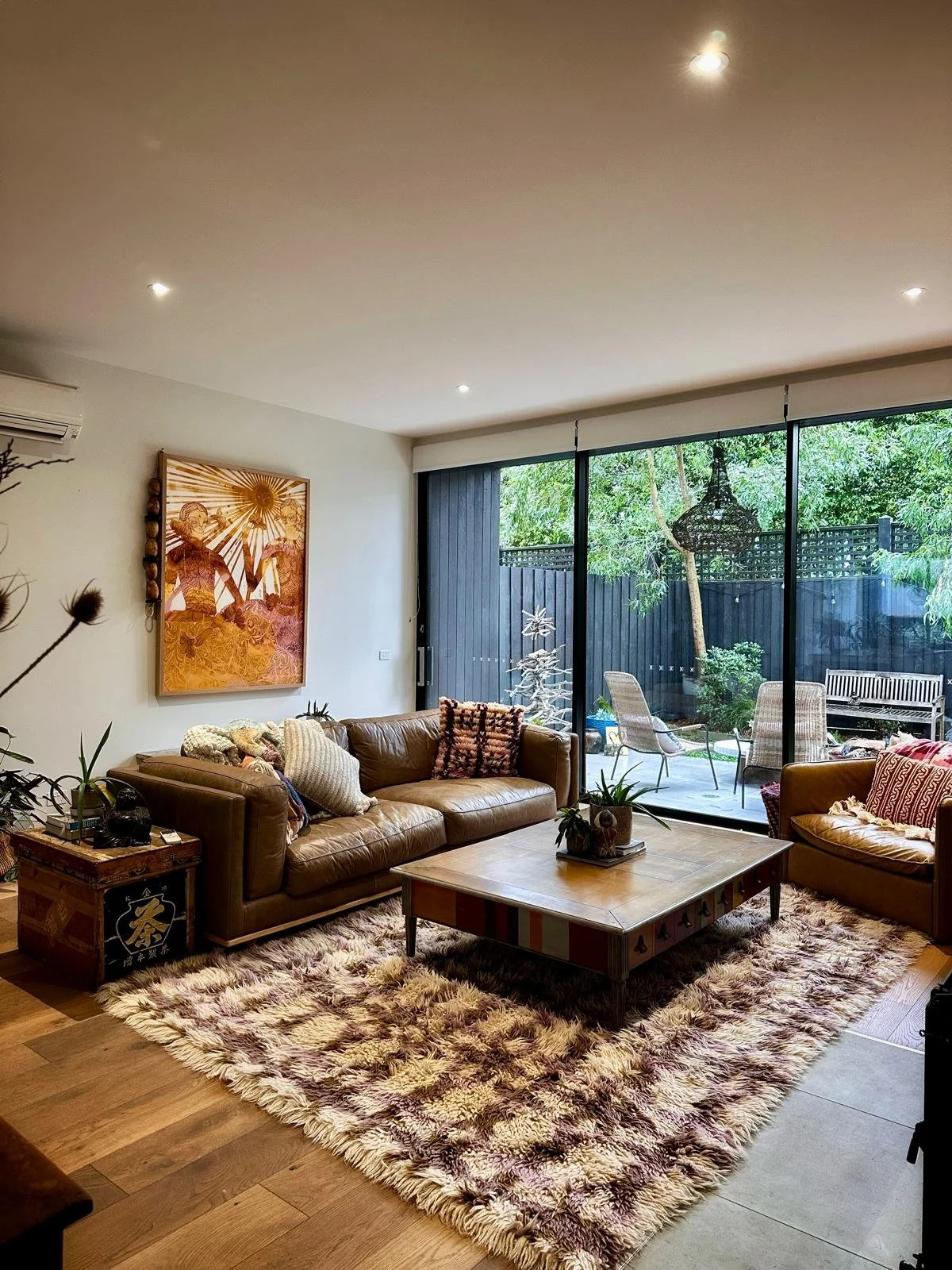
Great Homes Support Both Togetherness and Solitude
When people talk about what they want in a home, the conversation often starts with accomodation and size.
More space.
Bigger living areas.
Open-plan layouts designed for entertaining.
And while shared spaces matter, they’re only part of the story.
What’s far less discussed, yet deeply felt over time, is whether a home gives people room to be together and room to be alone.
The homes that work best aren’t just visually appealing, they support how people actually live, connect, and recharge every day.
The homes that truly work don’t push everyone into constant connection, or retreat people into isolation. They strike a balance. Quietly. Thoughtfully. Almost without trying.
And that balance changes how a home feels to live in, not just how it looks on inspection day.
Togetherness is where life happens
Homes need places where people naturally come together.
Kitchens where conversations happen without planning.
Living spaces that invite you to sit down, not just pass through.
Areas where family members, partners, or friends can share time without effort.
These spaces anchor daily life. They’re where routines form and relationships are strengthened in small, ordinary moments — meals, check-ins, laughter, silence shared.
When a home supports togetherness well, it feels easy. People gather without thinking about it. Connection doesn’t need to be manufactured or scheduled. It simply happens.
But togetherness on its own isn’t enough.
Solitude is where people reset
Equally important and often overlooked is the need for retreat.
A place to think.
A place to be quiet.
A place to work, read, rest, or simply exist without being “on.”
In homes that don’t allow for this, people cope at first. They make do. They tell themselves it’s fine.
Over time, though, something shifts.
Noise feels louder.
Small irritations build.
Energy drains more quickly.
It’s not because the home is wrong in any obvious way. It’s because there’s nowhere to put yourself when you need space.
The homes people feel most settled in long-term usually have one thing in common: they allow solitude without isolation. You can step away without feeling disconnected. You can be alone without leaving the home.
That matters more than most people realise.
Why balance matters more as life gets fuller
As life becomes busier, the need for both connection and retreat increases.
Families grow.
Work becomes more demanding.
Homes take on more roles: office, refuge, meeting place, recovery space.
In these seasons, homes that are designed only for openness can feel surprisingly exhausting. Constant visibility. Constant noise. Constant interaction.
On the other hand, homes that fragment space too much can feel disconnected, making togetherness feel effortful instead of natural.
The homes that support people best are those that hold both states with ease.
They allow people to come together when they want to and step back when they need to without friction or guilt.
That’s not about perfection or luxury. It’s about alignment.
This balance comes up again and again with the clients we work with.
They’re often navigating full lives already, and what they’re really seeking is a home that gives them room to connect and room to retreat without either feeling compromised.
This isn’t about room count, it’s about how space works
Balance doesn’t require a large home.
It’s rarely about the number of rooms, and almost never about square metres alone.
It’s about:
How spaces connect
Where sound travels
How light moves through the home
Whether there are natural transitions between shared and quiet areas
A small reading nook can matter more than a second living room.
A well-placed bedroom can feel calmer than a larger one in the wrong position.
A subtle separation can change how an entire home functions.
These are things you don’t always notice straight away.
But you feel them over time.
Why people miss this at inspections
Most people assess homes under pressure.
Short timeframes.
Busy open houses.
Emotion running high.
It’s easy to focus on what’s visible like finishes, styling and size and miss how a home will actually support day-to-day life.
When you’re walking through a property, it’s worth slowing down and asking questions that go beyond surface appeal.
Where do people naturally gather at the end of the day?
Where would someone go if they needed quiet?
Can both happen at the same time without friction?
These aren’t emotional questions. They’re practical ones with emotional consequences.
When homes get this right, life feels easier
People often struggle to articulate why they love living in a particular home.
They’ll say it “just works.”
Or that it feels calm.
Or that it’s easy to be there.
What they’re usually responding to is balance.
The home isn’t asking them to adapt constantly. It’s supporting how they live, think, and recharge.
When a home does this well:
Tension reduces
Energy is preserved
People feel more settled and grounded
Decision fatigue eases
It’s not dramatic. It’s quiet. And it’s powerful.
A home should support real life, not idealised life
Not staged moments.
Not weekend-only living.
Not how life looks in photos.
Real life.
Mornings that are rushed.
Evenings that are tired.
Days where people need noise, and days where they need none.
The right home doesn’t demand constant togetherness.
And it doesn’t push people away from one another either.
It simply holds space for both.
Choosing with this in mind changes everything
When people choose homes that support both connection and retreat, something shifts.
They feel less depleted.
More at ease.
More present in the life they’re building.
This is why we always encourage people to look beyond how a home looks, and pay attention to how it holds daily life.
Because the best homes don’t impress you loudly.
They support you quietly… every single day.

How Experienced Buyers Prepare to Buy Property in Melbourne
A buyer advocate’s perspective on preparing well in 2026
The people we work with aren’t usually starting from scratch.
They’ve owned before.
They understand the mechanics.
They’re capable of making decisions.
What they’re often looking for, quietly, is a clearer way to prepare. Not more information, and not louder opinions.
This article reflects how experienced buyers tend to prepare when the process unfolds well. It isn’t about speed or optimisation. It’s about sequence, perspective, and staying grounded as choices narrow.
1. Start With Clarity, Not Listings
Most buyers begin with property portals.
More settled buyers begin with clarity.
That usually means being clear on:
what this purchase needs to support in your life. This way of thinking reflects how we approach property decisions https://www.oriumandco.com/about more broadly
.where flexibility genuinely exists
what you don’t want to renegotiate with yourself about later
Clarity here isn’t abstract. It’s practical.
It reduces noise early, makes trade-offs easier later, and provides a reference point once opinions, price guides, and momentum start to build.
When buyers are clear, decisions tend to feel more proportionate, even when conditions aren’t.
2. Treat Budget as a Range, Not a Target
Borrowing capacity is only one part of the picture.
Buyers who prepare well usually understand:
a comfortable buying range
a stretch point they may never need
a clear upper limit they won’t cross, emotionally as well as financially
What matters here isn’t precision.
It’s behaviour.
A budget that’s too rigid can introduce unnecessary tension.
One with no internal boundaries tends to drift under pressure.
Markets move. Campaigns evolve.
A well-understood range allows you to stay composed as circumstances change, and to recognise when stretching is justified and when it isn’t.
3. Narrow Your Focus With Purpose
Most experienced buyers know that casting the net too wide rarely improves outcomes.
What tends to work better is a considered narrowing of focus, not to limit opportunity, but to improve decision quality.
That often involves:
distinguishing between locations that genuinely meet your brief and those that merely feel possible
spending enough time in fewer areas to recognise what’s typical and what’s not
allowing familiarity to replace comparison as the basis for judgment
This isn’t about ignoring performance.
It’s about creating enough context to recognise value when it appears, without keeping everything open at once.
Buyers who narrow well tend to feel more settled as options emerge, even when the market remains active.
4. Prepare for Different Sales Strategies Early
Auctions and private sales are often spoken about as if they follow fixed rules. In practice, they don’t.
Agents manage campaigns differently.
Timelines vary.
Information is released in different ways.
Pricing guidance can shift as interest builds.
Preparation, in this context, isn’t about choosing a preferred method.
It’s about being ready to understand the process being run in front of you.
That readiness usually includes knowing:
how and when price guidance is likely to change
what level of transparency you can reasonably expect
when key decisions are likely to be required
where flexibility exists within the campaign, and where it doesn’t
It also means being prepared with the right questions early, not to challenge the process, but to understand it.
Questions about timelines, comparable sales, decision points, and expectations are not tactics. They’re a way of orienting yourself so assumptions don’t quietly take over.
When buyers prepare this way, the process tends to feel steadier.
Not because it’s predictable, but because fewer things come as a surprise.
This isn’t about control.
It’s about entering the process with understanding and standing confidently as it unfolds.
5. Know Where Independent Perspective Helps
By 2026, access to information isn’t the issue.
Most buyers can access data, alerts, reports, and opinions easily.
What’s harder to come by is perspective that isn’t dependent on an outcome.
Independent perspective matters most when:
information is plentiful but inconsistent
timelines compress and decisions accelerate
emotion starts to influence judgment quietly rather than obviously
This is where some buyers choose to work with a buyer advocate, not to hand over responsibility, but to create space for clearer thinking. Working with a buyer advocate https://www.oriumandco.com/buyer-advocacy provides an independent reference point when decisions begin to compress.
In practice, that perspective often shows up as:
helping buyers weigh trade-offs without urgency
distinguishing between signal and noise
supporting clearer thinking when information and opinion start to blur
helping buyers stay anchored to their original brief as pressure builds
It isn’t about being told what to do.
It’s about having a reference point that remains steady when conditions aren’t.
It is useful for buyers who value clarity, measured decision-making, and having an objective reference point, particularly when timelines compress.
6. Allow Due Diligence to Do Its Job
Preparation creates room for proper due diligence.
That usually means:
understanding planning context, not just the property itself
reading reports with perspective rather than anxiety
knowing which issues matter now and which are manageable over time
Experienced buyers tend to recognise that due diligence isn’t a pass–fail exercise.
It’s a way of building understanding, of the property, its setting, and its longer-term implications.
When preparation is sound, reports are read in context rather than isolation.
Questions are asked calmly.
Trade-offs are assessed deliberately.
Good preparation allows due diligence to inform decisions, rather than derail them.
Experienced buyers aren’t looking for perfection.
They’re looking for understanding, and for decisions that still make sense once the immediacy of the purchase has passed.
Closing
Preparation doesn’t remove uncertainty.
It provides steadier ground.
Some buyers do this work independently.
Others choose support along the way.
Either approach benefits from clear thinking and measured decisions.
If you’d like a steady, independent perspective as you prepare, that’s a conversation we’re happy to have.

Vendor Advocate vs Real Estate Agent - What’s the Difference?
We’re often asked, “So what exactly is a vendor advocate?”
It’s a fair question and one we love to answer, because vendor advocacy is a deeply human service that many people don’t know exists until they need it most.
When it comes time to sell, most people naturally begin by thinking about which agent or agency to go with. But there’s another layer of support available. One that’s independent, client-first, and designed to give you clarity, confidence, and a calm path forward.
That layer of support is vendor advocacy https://www.oriumandco.com/vendor-advocacy
The Real Difference: Agent vs. Advocate
A real estate agent is primarily engaged in selling a property. They:
Represent the vendor during the sale.
Communicate with buyers.
Handle offers, marketing, and negotiations.
Are still part of a transactional model, even when doing their best.
A vendor advocate:
Walks beside the client.
Serves as the independent guide, not part of the sales team.
Helps select and manage the right agent.
Offers unbiased, emotionally intelligent advice, especially during life transitions.
Shields the client from pressure and complexity.
Represents the client’s best interest, not the deal’s.
What Does a Vendor Advocate Actually Do?
A vendor advocate is engaged by you, the person selling, to support, advise, and represent your best interests throughout the sales journey. Working with a vendor advocate https://www.oriumandco.com/vendor-advocacy means having someone alongside you whose role is to keep your priorities front and centre from start to finish. Not to replace the real estate agent, but to work alongside them.
We:
Advise you at every step
Communicate directly with agents on your behalf
Remove overwhelm by managing the process
Help you make clear, confident, and pressure-free decisions
And most importantly, we help you feel supported, not sold to.
It Starts Well Before the “For Sale” Sign Goes Up
Before your property even hits the market, a vendor advocate will take the time to understand your priorities, your timing, and what really matters to you. Whether you're selling after years in a beloved home, navigating a big change, or simply ready for something new, the plan we build is specific and curated for your property and for you.
From there, we guide everything from sale preparation and presentation to small improvements, helping ensure the process is considered, calm, and well-executed.
Choosing the Right Agent (Without the Stress)
One of the most misunderstood parts of the process is selecting the right agent. Most sellers don’t know the questions to ask or who to trust.
We do.
This is guided by our approach https://www.oriumandco.com/about which centres on clarity, calm decision-making, and long-term outcomes rather than short-term wins.
We interview agents, ask the tough questions, assess proposals, and provide unbiased recommendations based on experience and market insights, not commissions. Our long-standing relationships across the industry mean we know who to involve and why. We then oversee the appointment, guide pricing and marketing strategy, and ensure the sales approach suits the property, the market, and most importantly, you.
Your Advocate, All the Way to Settlement
Once the agent is appointed, we don’t disappear. We stay beside you.
We manage communication, keep the agent aligned with your agreed strategy, review updates, and guide any decisions along the way. We help you know when to hold firm and when to pivot. You never have to chase for updates or feel unsure about where things stand.
It’s seamless. It’s strategic. It’s deeply supportive.
And surprisingly to many, there’s no additional cost.
Vendor advocacy is covered by the selling agent’s commission, meaning you get a high-touch, expert-led service without paying more.
What Do Agents Think About This?
The best agents welcome vendor advocates. Why? Because when everyone is aligned and communication is smooth, the result is a more efficient, strategic, and successful campaign. Agents get to do what they do best - sell - while we ensure the bigger picture stays on track.
So, Do I Need a Vendor Advocate?
Not everyone does.
If you already have a trusted, experienced agent who truly understands you and your goals, you may feel confident managing the sale alongside them.
But if you’re feeling unsure, overwhelmed, or unsupported or simply want expert guidance without the pressure, a vendor advocate can be a game-changer.
Because the real difference between a real estate agent and a vendor advocate is this:
An agent works for the sale.
A vendor advocate works for you.
At Orium & Co, we guide people through real estate decisions that are often part of something much bigger - the end of a chapter, the beginning of a new one, or a major turning point in life.
Want to Learn More?
If you’re thinking about selling and want to feel fully supported by a Vendor Advocate in Melbourne, we provide a free face to face or online consultation.
We’ll help you clarify your next steps, outline your options, and show you what working with a vendor advocate can look like without pressure or obligation.
To book a Consultation → Email lisa@oriumandco.com